



Revisiting the Republic: An Interactive Look at India's Constitution

Table of Contents

  • Rights &
    Freedoms

  • How Republic
    works

  • Then &
    Now

Click any to start the journey!

Back to the menu

Rights & Freedoms

India guarantees six Fundamental Rights
  • Right to Equality to Equality to Equality
  • Right to Freedom
  • Freedom of Religion
  • Protection from Exploitation
  • Cultural and Educational Rights
  • Right to Constitutional Remedies

Rights & Freedoms

Which of these is a Fundamental Right?

Right to Education
Right to Internet Access
Right to Work

Rights & Freedoms

Freedom of speech has limits.

True
False

Rights & Freedoms

Which of these freedoms is explicitly mentioned in the Constitution?

Freedom of opinion
Freedom of speech and expression
Freedom of information

Rights & Freedoms

You post a critical comment about a public policy online. Is this protected by the Constitution?

Yes
No

Rights & Freedoms

Article 32 is often called the heart of the Constitution.

It allows citizens to directly approach the Supreme Court when rights are violated.

Rights & Freedoms

Article 19 guarantees 6 freedoms.

Speech. Assembly. Association.

Movement. Residence. Profession.

Next chapter
Restart chapter
1
2
3
4
5
6
7

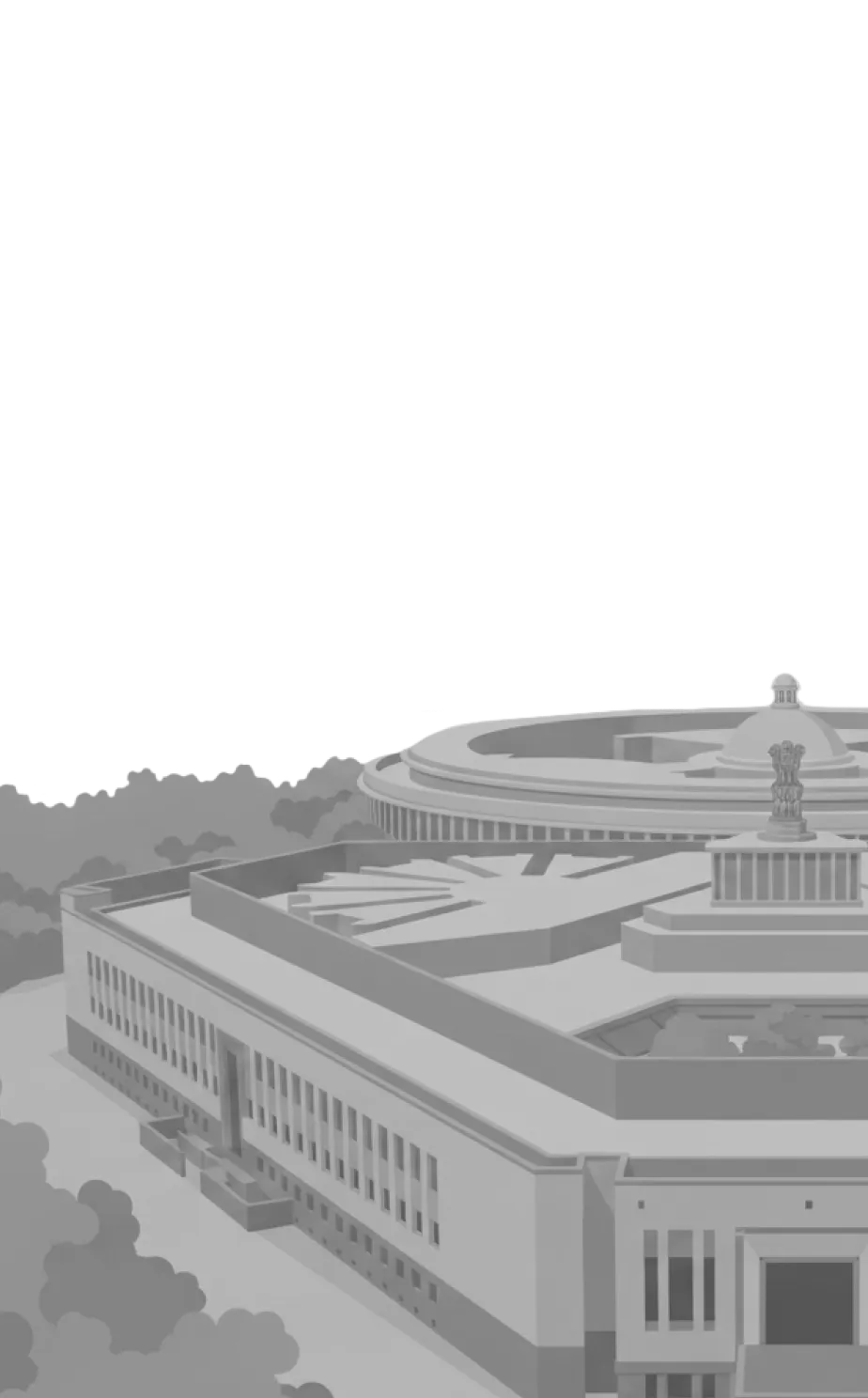
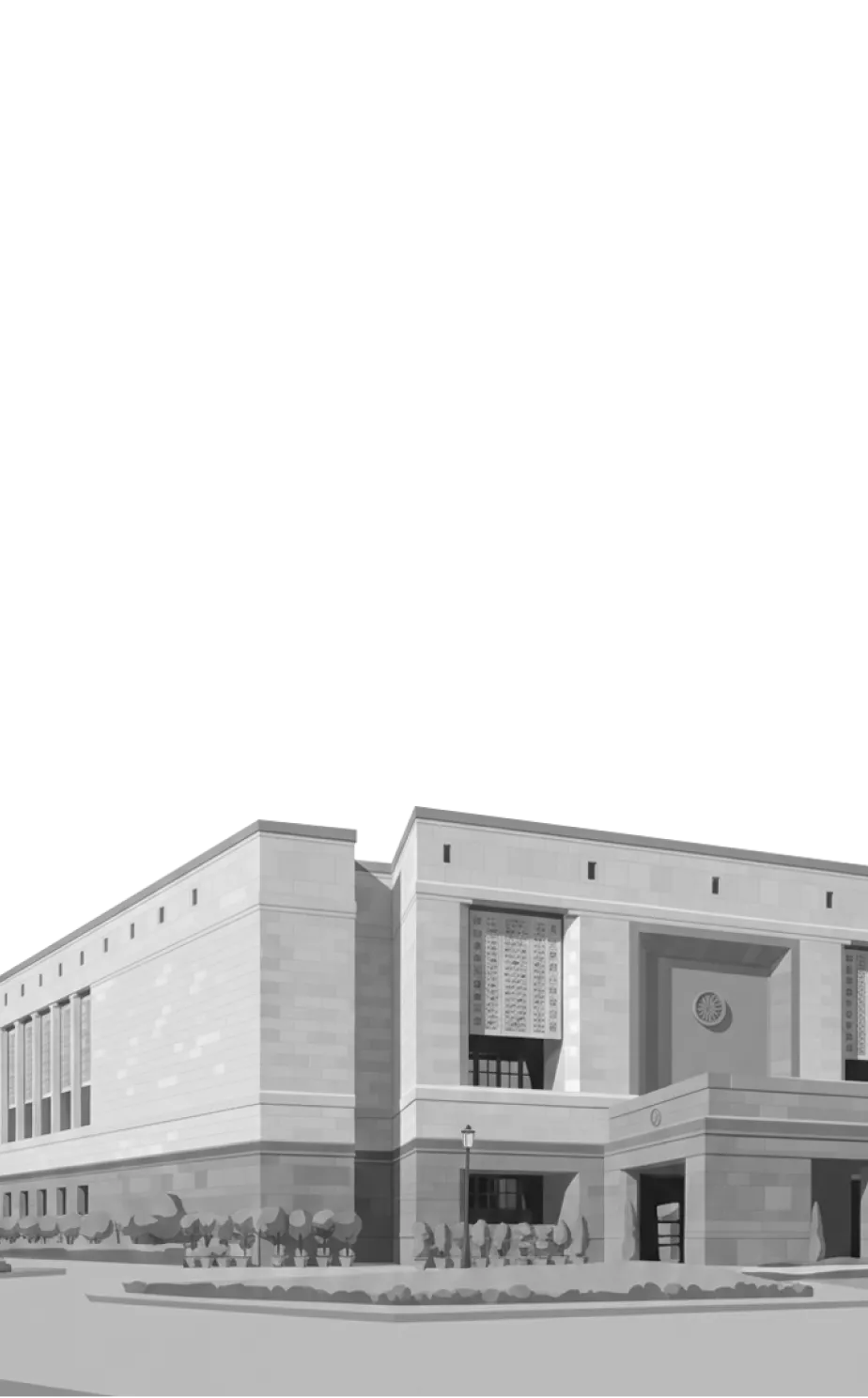
How the Republic Works

The Constitution divides power into three branches.
  • Legislature - makes laws
  • Executive - implements laws
  • Judiciary - interprets laws

No single branch controls the rest.

How the Republic Works

Match the institution
to its role.
Supreme Court
A
B
C
Parliament
A
B
C
Executive
A
B
C

How the Republic Works

Who appoints the Chief Justice of India?
The Prime Minister
The President
Parliament

How the Republic Works

Parliament can overrule the Supreme Court.
True
False

How the Republic Works

How a law is made
Proposal by an MP
Debate in Parliament
Assent by the President
Passage by both Houses
Tap to know the flow!

How the Republic Works

Who is the final authority on interpreting the Constitution?
Parliament
Supreme Court
Election Commission

How the Republic Works

Who is the final authority on interpreting the Constitution?

India has over 4,000 legislators across Parliament and State Assemblies.

All operate under one Constitution.

Next chapter
Restart chapter
1
2
3
4
5
6
7

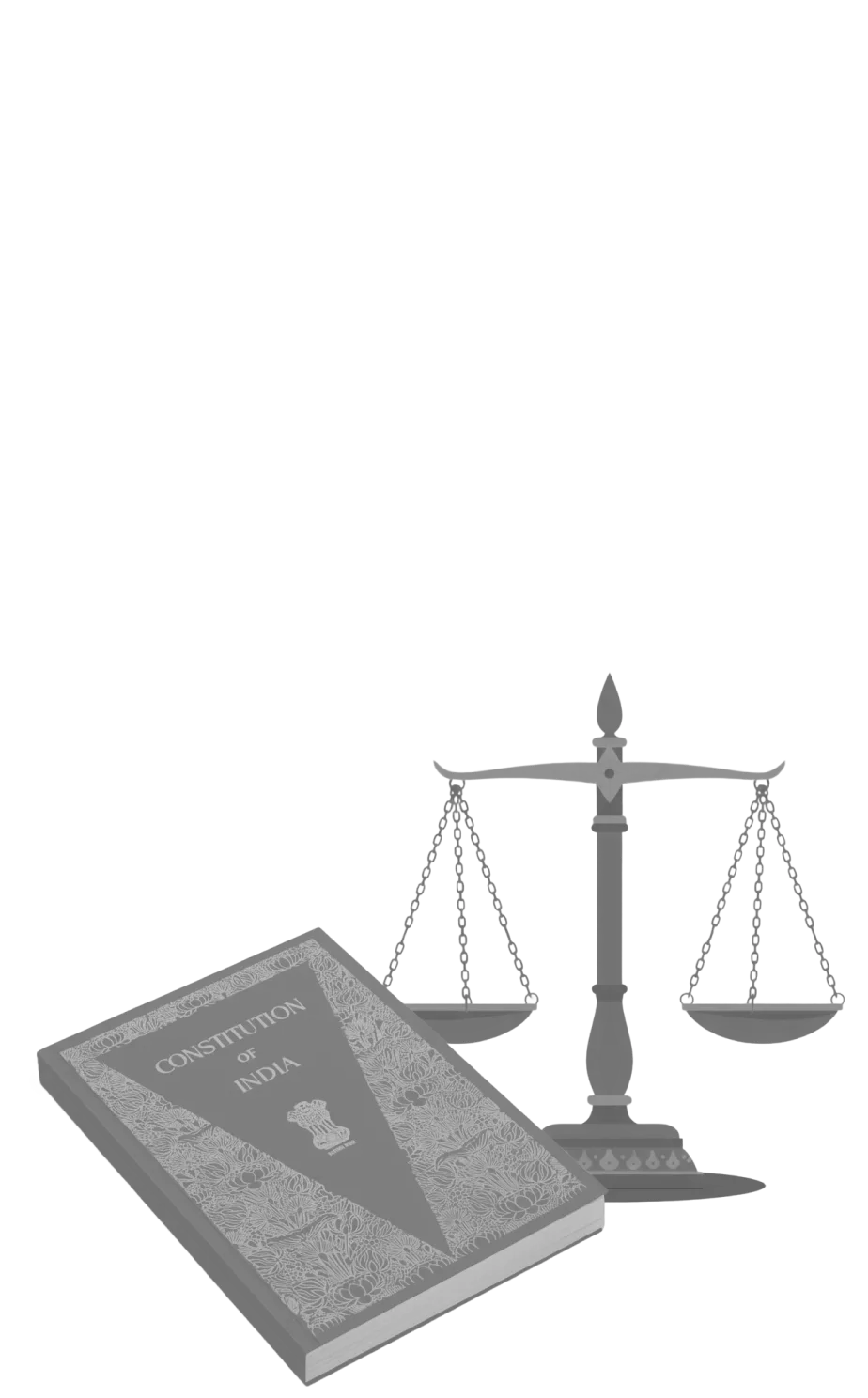
Then & Now

The Constitution came into force in 1950

Since then, it has been amended over 100 times.

It’s designed to be an evolving document, with change built into the system.

Then & Now

Then
395 Articles
8 Schedules
Now
470+ Articles
12 Schedules

Then & Now

The Constitution has remained unchanged since 1950.
True
False

Then & Now

Which of these was once a Fundamental Right?
Right to Property
Right to Education
Right to Information

Then & Now

Then
Right to Property
A Fundamental Right
Now
Right to Property
A Legal Right

Then & Now

Every amendment must be: Passed by Parliament.

In some cases, approved by States. Formally recorded.

These steps are laid out in Article 368 of the Constitution.

Then & Now

The original Constitution took 2 years, 11 months, and 18 days to draft.

It has been evolving ever since.

This chapter ends here.

Next chapter
Restart chapter
1
2
3
4
5
6
7
Please rotate your device!